
Basement Water Damage You Can’t Ignore — How to Spot Leak Signs and Take Action
Water problems in basements start when moisture finds its way into below‑grade areas through cracks, seams, or failed drainage. Left alone, small damp spots can turn into structural damage, mold, and costly repairs. This guide walks Reading, PA homeowners through the most common visible, sensory, and structural signs of basement water damage, explains why early detection matters, and gives a clear order of steps to document and respond. You’ll learn to separate cosmetic issues from urgent structural problems, collect useful evidence, and take prioritized actions — including when to call in professionals. Sections cover surface clues, smell-and-feel indicators, system and foundation warnings, a practical inspection checklist, why early action pays off, and how RDry Basement Waterproofing Reading PA can help with recurring or serious issues.
What Are the Most Common Visible Signs of Basement Water Damage?
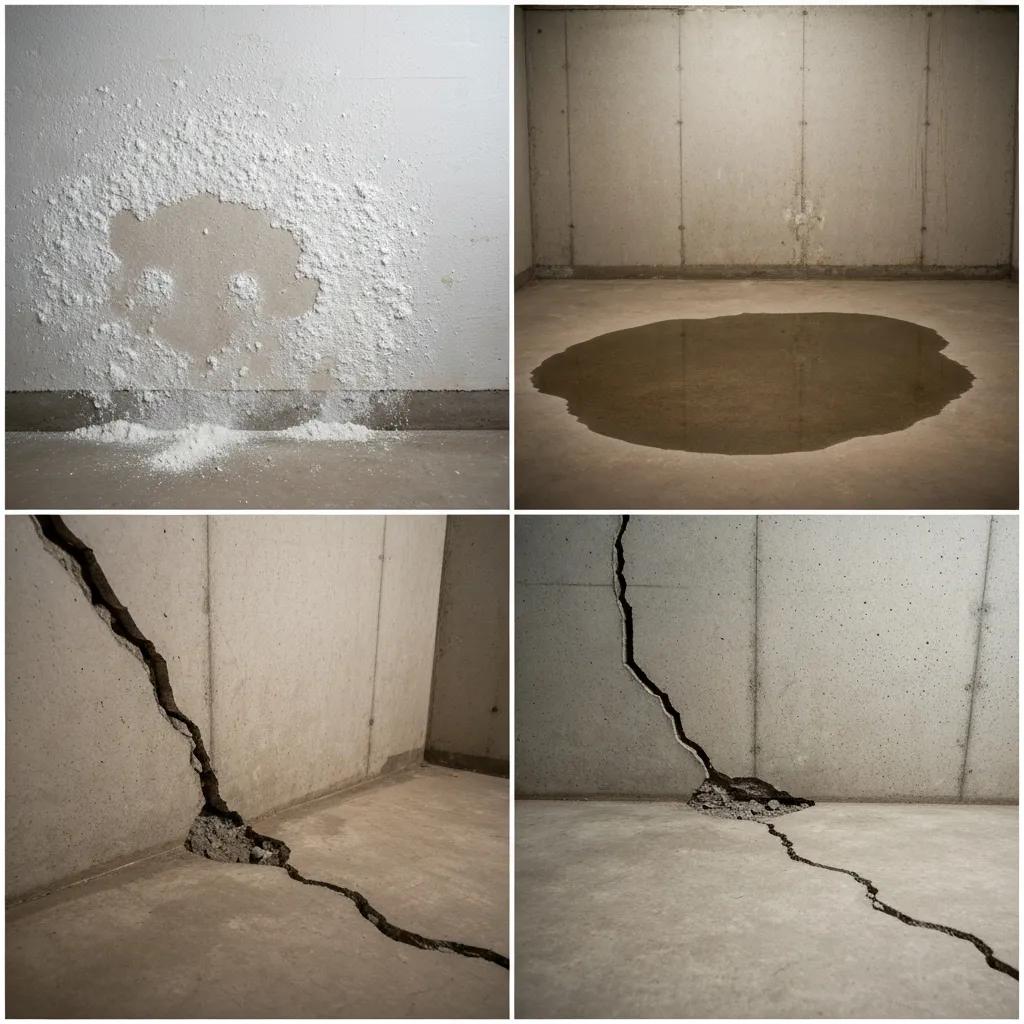
Visible signs are the surface clues that point to moisture intrusion or active leaks. They’re the easiest things for a homeowner to spot and document, and they often show the path water is taking through walls, floors, or finishes. Spotting deposits, paint failure, pooling, and specific crack patterns helps you prioritize response — whether that’s watching and recording, doing a short‑term fix, or calling a pro right away. Below are the primary visible signs with straightforward explanations to help you act quickly and confidently.
The most important visible signs include:
- Cracks in concrete or masonry: Even hairline or stepped cracks let water through and can widen under pressure.
- Efflorescence (white salt deposits): Powdery salts mean moisture is moving through concrete or block and evaporating on the surface.
- Peeling, bubbling, or flaking paint: Failing finishes often mean moisture is trapped behind the coating and needs investigation.
- Standing water or puddles: Pools on the floor point to active entry, poor drainage, or a plumbing issue that needs prompt attention.
Photograph and timestamp these visible signs before you move on to sensory checks and structural evaluation — clear documentation makes diagnosis and repair planning faster and more accurate.
How Do Cracks in Basement Walls and Floors Indicate Water Damage?
Cracks create pathways that let water bypass the foundation’s intended barriers. The crack pattern helps indicate cause and severity: hairline vertical cracks are often from shrinkage or minor settling, while wider vertical or stepped cracks can signal soil pressure or differential settlement. Horizontal cracks or bulging walls are more serious — they often reflect hydrostatic pressure or lateral earth movement and may threaten structural integrity. Measure crack width, note direction and location, and take photos with a ruler or tape for scale; that information helps determine whether you’re dealing with a moisture problem alone or a structural issue that needs foundation repair.
Track cracks over time to tell cosmetic movement from progressive failure — this record also helps contractors give accurate recommendations when you schedule an inspection.
What Does Efflorescence Reveal About Basement Moisture Problems?
Efflorescence looks like white, powdery staining on concrete, block, or masonry. It forms when water carrying dissolved salts reaches the surface and evaporates, leaving salts behind. Because it requires repeated moisture movement, efflorescence is a reliable sign of ongoing dampness rather than a one‑off spill. It’s not structural damage itself, but it flags underlying moisture pathways that, if ignored, can lead to mold or freeze‑thaw deterioration. Photograph any deposits, note when they return after rain, and consider moisture mapping or a professional inspection to decide if interior sealing, improved drainage, or exterior work is needed.
Treating efflorescence starts with finding the water source and choosing the right fix — interior waterproofing or exterior drainage — so an accurate assessment matters for lasting results.
Why Is Peeling Paint or Bubbling on Basement Walls a Warning Sign?
Peeling or bubbling paint means moisture is getting under the finish and breaking adhesion. While old paint can fail for many reasons, patterns of paint damage near the floor, over seams, or across cracks usually indicate active moisture pressure or vapor migration through the wall. Simple checks — a light tap test and a moisture meter reading — help tell whether the issue is surface level or inside the wall assembly. If moisture readings are high or paint problems recur after drying, move from temporary drying to long‑term waterproofing or encapsulation.
Marking where paint failure appears helps trace water paths and guides the next round of sensory and structural checks.
How Does Standing Water or Puddles Signal Basement Leaks?
Standing water is one of the clearest signs that water is entering the basement. It commonly results from failed drainage, improper grading, groundwater pressure, or plumbing leaks. Pools invite mold, saturate materials, and speed up concrete spalling and metal corrosion. For safety, avoid electrical areas, photograph the extent with dates, and note whether puddles appear only after storms or all the time. Recurrent standing water is an emergency: call for mitigation and professional evaluation to consider solutions like interior drain tile, French drains, or a sump pump system.
Record when puddles form relative to weather and indoor plumbing activity — that timeline helps pros determine whether the source is runoff, groundwater, or an internal leak, which in turn shapes the repair plan.
What Sensory and Environmental Clues Reveal Hidden Basement Water Damage?
Sensory and environmental clues — smell, touch, and indoor climate readings — reveal moisture problems before they become obvious. Musty odors, high humidity, and water stains often show hidden leaks or vapor intrusion. Simple tools like a hygrometer or moisture meter give objective data to pair with what you can smell and feel, helping you decide if a dehumidifier will do or if you need permanent fixes like encapsulation or improved drainage. Knowing these clues prepares you to inspect more effectively and to explain the situation clearly to contractors.
Here are the key sensory and environmental clues to check during an inspection.
- Musty or mildew-like odors: Persistent smells usually mean microbial growth in hidden spaces or on porous materials.
- High relative humidity or a clammy feel: Elevated humidity speeds mold growth and suggests poor ventilation or groundwater vapor entry.
- Discoloration or recurring water stains: Stains that come back after drying point to repeated moisture rather than a one-time event.
When you notice these clues, measure and document them so remedial steps address the root cause — not just the visible symptoms.
How Can Musty Odors and Mold Growth Indicate Basement Moisture Issues?
Musty smells are caused by microbial volatile organic compounds released by mold and mildew growing in damp environments. Odor can be the first sign — especially when mold grows behind stored items or inside wall cavities. Visible mold confirms colonization, but a persistent smell should trigger a targeted inspection. Mold can affect indoor air quality and sensitive occupants, so pair odor detection with moisture readings and inspect likely hiding places: behind shelving, under carpeting, and inside wall or ceiling voids. If contamination is found, containment and professional remediation may be necessary.
Removing mold-related odors requires both cleaning or remediation and correction of the moisture source, which usually involves humidity control or waterproofing.
What Does Dampness and High Humidity in Basements Mean for Water Damage?
Sustained dampness and high relative humidity let materials absorb moisture, speed decay, and make mold growth more likely. Using a hygrometer gives you a baseline to measure improvements after any mitigation. Short-term fixes like ventilation and dehumidifiers help but won’t stop liquid intrusion from outside. Identifying whether humidity comes from groundwater vapor, rising damp, or intermittent leaks helps choose the right long‑term solution — crawl space encapsulation, interior drainage, or exterior grading fixes.
Regular humidity tracking and preventive steps reduce the chance that hidden dampness turns into visible, costly damage.
How Do Water Stains and Discoloration Point to Basement Leaks?
Water stains trace moisture movement. Their shape, location, and reappearance give clues about the source: vertical streaks may signal upper‑level plumbing or roof leaks, while horizontal staining at the wall base often indicates groundwater or hydrostatic pressure. Color and texture can also help — organic, dark, or moldy stains differ from mineral streaking caused by groundwater. Take dated photos and note weather or recent plumbing work to help professionals trace patterns. Stains that return after drying or follow storms usually need drainage or waterproofing rather than a cosmetic touch-up.
Combine stain patterns with humidity and odor readings to build a clearer picture of hidden moisture and pick the right remediation path.
Which Structural and System Signs Should You Watch for Basement Water Damage?
Structural and system signs show that moisture is affecting the foundation, drainage systems, or load‑bearing elements and often require professional work. Watch for foundation cracks and settlement, sump pump failure, and misaligned doors or windows — these suggest water is exerting force on structural parts or that mechanical systems meant to control water are failing. Catching these signs early reduces escalation; mapping each symptom to likely causes points to whether the right fix is mechanical, structural, or a combination. Below are the key signs and the services that commonly address them.
- Foundation cracks and settlement — may require foundation repair to stabilize the structure.
- Sump pump operational issues — often need installation, repair, or an upgraded system plus interior drainage.
- Misaligned doors/windows — can indicate foundation movement that calls for stabilization or crack repair.
Regular documentation of these systemic signs helps contractors diagnose the problem accurately and choose a remedy that addresses both water and structure.
How Do Foundation Cracks and Settlement Signal Serious Water Damage?
When foundation cracks come with settlement clues — sloping floors, stair‑step masonry cracks, or widening gaps — it usually means long‑term movement made worse by moisture‑related soil changes or hydrostatic pressure. Groundwater can create lateral or uplift forces that compromise stability, so assess both the structural condition and the drainage around the foundation. If settlement appears alongside active moisture signs, foundation repair is often required to stabilize the home and stop further damage. Record measurements, look for related interior symptoms like sticking doors, and consult foundation specialists to evaluate stabilization options.
Detailed crack and settlement mapping helps professionals choose targeted fixes — often a mix of crack repair and improved drainage to prevent recurrence. RDry Basement Waterproofing Reading offers basement crack repair and foundation repair services when these issues are identified.
What Are the Warning Signs of Sump Pump Malfunctions in Wet Basements?
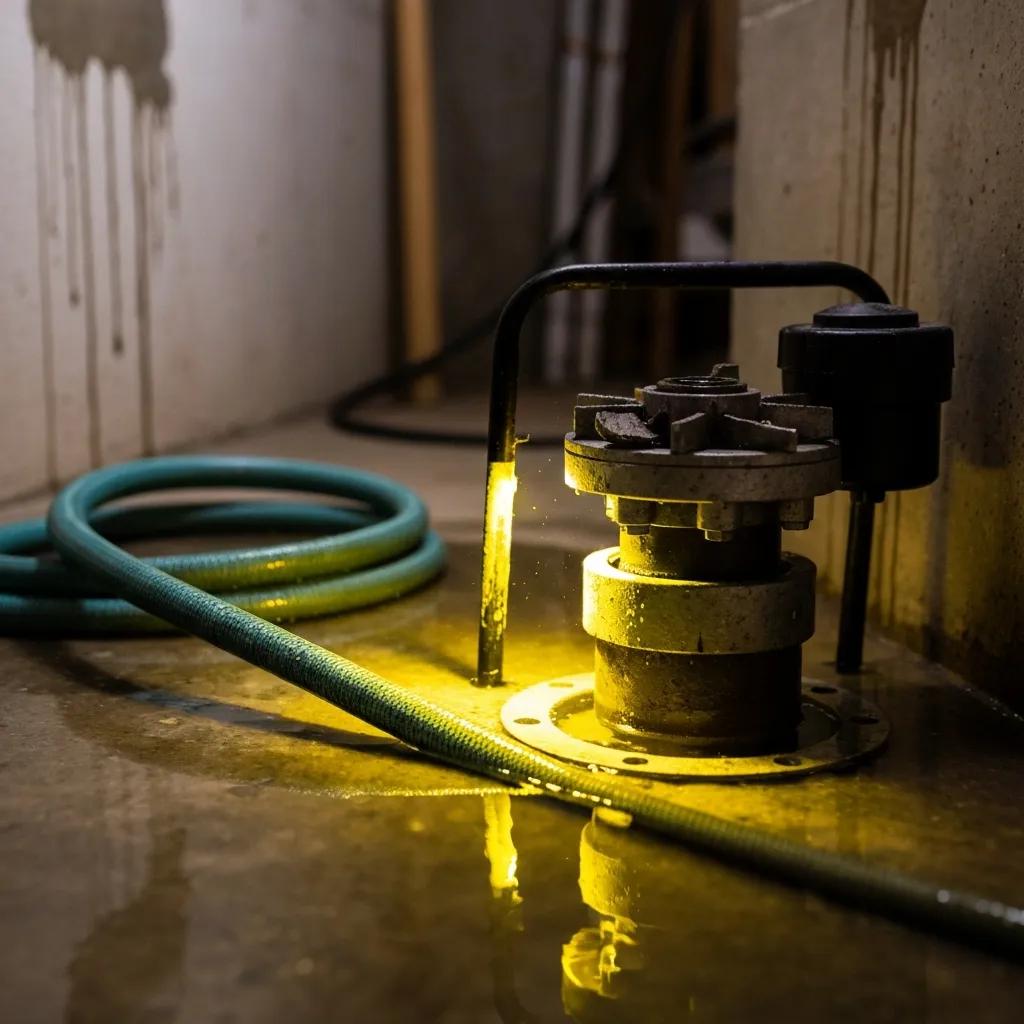
Sump pump trouble shows up as pumps that run constantly, fail to turn on during storms, cycle on and off rapidly, or make unusual noises — all signs the system can’t manage infiltration. A quick homeowner test is to pour water into the pit and watch activation; listen for odd sounds that could indicate motor or float problems. If the pump fails tests or acts erratically, service or replacement is needed to avoid flooding. Temporary steps — float adjustment, checking power, or using a portable pump — help short term, but persistent failures usually require professional installation or an upgrade.
For sump pump repair or new installations, RDry Basement Waterproofing Reading can assess whether an interior drainage approach, a higher‑capacity pump, or additional backups are the right solution.
How Do Misaligned Doors and Windows Relate to Basement Foundation Issues?
Doors and windows that stick, won’t latch, or show uneven gaps often reveal subtle foundation movement or differential settlement tied to soil moisture changes or compromised footings. What starts as a minor fit issue can grow as shifting soil changes foundation geometry, transferring strain to framing and openings. Measure gap widths, note which way they move, and compare timing with heavy rains to see if the problem is active and moisture‑related. If misalignment appears with visible foundation cracks or persistent dampness, professional foundation repair and moisture control are usually needed to stop movement and restore function.
Documenting alignment changes and their timing relative to moisture events gives foundation specialists the context they need to design an effective stabilization and waterproofing plan.
What Immediate Actions Should Homeowners Take When They Spot Basement Water Damage Signs?
When you find signs of basement water damage, focus first on safety, then containment and documentation. Those steps reduce health risks and preserve evidence for diagnosis, insurance, and repair estimates. The checklist below sorts actions by urgency and gives practical tips for inspecting and recording damage without creating hazards. Clear, dated documentation — photos, moisture readings, and weather notes — helps professionals assess and respond faster.
Follow this immediate‑action checklist to stabilize the situation and prepare for professional help.
- Ensure safety: If water is active near outlets or appliances, turn off power to the area and avoid standing in water near electrical systems.
- Stop obvious sources: If you can safely reach a leaking fixture or pipe, shut off the local supply and contain the flow.
- Document thoroughly: Take photos with dates, record moisture meter or hygrometer readings if available, and note when puddles form relative to weather or plumbing use.
- Contain damage: Use buckets, towels, and temporary pumps to limit spread and move valuables off the floor.
How to Inspect and Document Basement Leak Indicators Before Professional Help Arrives
A consistent inspection routine speeds contractor triage and improves estimate accuracy. Photograph each affected area from multiple angles and include a ruler or tape for scale. Log contextual details — last heavy rain, recent plumbing work, HVAC or appliance activity — and take moisture and humidity readings in different zones. Prioritize safety: stay away from electrical panels and don’t stand in water near outlets; wear gloves and a respirator if you see mold. Put photos, measurements, and notes into a dated file to share with contractors — that package reduces guesswork and shortens diagnostic time on site.
A clear, chronological evidence set also helps professionals recommend the right intervention, whether that’s temporary pumping or scheduled repairs.
When Should You Call a Basement Waterproofing Expert in Reading, PA?
Call a pro when you have standing water, progressive foundation cracks, mold that returns after cleaning, or sump pump failure that risks flooding — these issues usually need expert diagnosis and durable remedies. You should also seek help for recurring efflorescence, persistent damp smells, or humidity that stays high despite temporary measures; those clues point to underlying water pathways best handled by a contractor. When you contact a company, share your documentation and describe timelines and conditions to help them assess the situation quickly. For urgent problems, request emergency service; for chronic or seasonal issues, schedule an inspection to plan long‑term waterproofing.
Knowing these thresholds helps you decide between monitoring and action and prepares you for the likely scope of work a professional will recommend.
After taking immediate steps, homeowners in Reading can choose local providers to stabilize the home and address root causes. RDry Basement Waterproofing Reading offers emergency assessments, inspection, and rapid‑response mitigation to limit further damage and prepare a full repair plan tailored to your situation.
Why Is Early Detection of Basement Water Damage Critical for Homeowners in Reading, PA?
Finding problems early keeps minor moisture from becoming structural damage or widespread mold, preserves indoor air quality, and lowers repair costs by addressing issues before they grow. Early detection prevents secondary problems — rot in framing, corrosion of embedded metal, and spread of biological contaminants — that compound repair scope and expense. Local conditions in Reading, PA, influence how moisture behaves, so prompt action helps match solutions to site specifics. Early waterproofing and repair protect property value, reduce long‑term maintenance, and lower health risks from mold exposure.
Understanding these risks makes it clear why regular monitoring and prompt action matter more than waiting until damage is obvious.
What Are the Risks of Ignoring Basement Moisture and Leak Signs?
Ignoring moisture can turn cosmetic issues into structural failures: progressive foundation settlement, wood rot in framing, and pervasive mold that harms indoor air quality and occupant health. Small fixes can become major projects — what might have been a simple interior seal can escalate to exterior excavation or foundation stabilization if left too long. Delays also complicate insurance claims and increase disruption when emergency repairs are needed. From a health standpoint, ongoing mold exposure can worsen respiratory conditions and allergies, so timely mitigation protects both your home and your family.
Recognizing these cumulative risks clarifies the value of early detection and proactive remediation to prevent escalation.
How Does Early Waterproofing Protect Your Home’s Foundation and Health?
Early waterproofing interrupts water pathways, relieves hydrostatic pressure with drainage, and lowers indoor humidity — together these steps prevent material deterioration and biological growth. Solutions include redirecting surface water, installing interior drainage and sump systems, sealing penetrations and cracks, and applying vapor barriers or encapsulation where appropriate. These measures reduce moisture load on structural elements and, by limiting mold growth, improve indoor air quality. Early, accurately targeted waterproofing preserves structural integrity, controls long‑term costs, and reduces health risks tied to chronic dampness.
Planning interventions based on a careful diagnosis ensures the fix matches both the cause and the home’s construction.
How Can RDry Basement Waterproofing Reading PA Help Address These Basement Water Damage Signs?
RDry Basement Waterproofing Reading provides Reading homeowners with local, practical solutions for waterproofing and foundation repair. We match services to the signs you see — moving from documentation to targeted remediation with options that fit the cause and the site. Our approach blends interior and exterior methods to address wall cracks, soil erosion, and foundation movement; where relevant, we also coordinate related services like pest control. If you need an inspection and a plan, RDry can evaluate signs, recommend solutions, and handle everything from temporary mitigation to permanent repair.
What Waterproofing and Repair Solutions Does RDry Offer for Basement Leak Indicators?
RDry’s services address the common signs described above: basement crack repair for visible wall and floor cracks, foundation repair for settlement and structural movement, and sump pump installation to stop recurring standing water. We also install French drains to redirect groundwater and provide crawl space encapsulation to control humidity and vapor intrusion. Depending on the diagnosis, we combine interior and exterior waterproofing methods to stop active water and implement long‑term repairs that reduce the chance of recurrence.
Linking visible and systemic signs to these services helps homeowners understand which interventions are typically needed for different problems.
How Do RDry’s Local Expertise and Flexible Plans Benefit Reading Homeowners?
RDry Basement Waterproofing Reading brings local experience and practical terms to homeowners: we offer free estimates, are licensed and insured in Pennsylvania, and provide flexible payment options to make lasting repairs more accessible. Our local focus means solutions are tailored to regional home types and site conditions, while free estimates let you get informed proposals without upfront cost. Combining interior and exterior approaches — and adding related services when needed — delivers a comprehensive remediation plan that addresses water and the problems it creates. Reading homeowners can rely on RDry for inspection, documentation review, and coordinated waterproofing solutions backed by these clear benefits.
- Document your signs immediately: Photos, measurements, and notes speed diagnosis and support free estimates.
- Prioritize safety then schedule inspection: Address electrical or active flooding hazards before booking professional visits.
- Request a tailored assessment: Share your documentation so the site‑specific plan balances interior and exterior measures.
Frequently Asked Questions
What are the long-term effects of ignoring basement water damage?
Left unchecked, basement water damage can lead to foundation settlement, rot in wood framing, and persistent mold — all of which increase repair scope and cost. Mold can affect indoor air quality and aggravate respiratory conditions. Delaying repairs can also complicate insurance claims, so early detection and remediation protect both health and finances.
How can I prevent basement water damage in the first place?
Preventive steps include proper grading to slope water away from the foundation, keeping gutters and downspouts clear, and directing downspouts away from the house. A sump pump can manage groundwater, and sealing visible cracks helps limit entry. Using a dehumidifier and scheduling regular inspections also reduce risk. Routine maintenance goes a long way toward preventing costly problems.
What should I do if I find mold in my basement?
First, protect yourself with gloves and an appropriate mask. Identify and stop the moisture source. Small mold patches can sometimes be cleaned with detergent solutions, but larger or hidden infestations usually need professional remediation. Document the mold and conditions that led to it — that information helps professionals plan safe, effective cleanup and address the moisture cause.
How often should I inspect my basement for water damage?
Inspect your basement at least twice a year — spring and fall are good times — and check again after heavy rain or rapid snowmelt. Look for cracks, efflorescence, water stains, musty odors, and high humidity. Regular checks catch issues early and reduce the chance of expensive repairs.
Can I handle basement waterproofing myself, or should I hire a professional?
Simple tasks like sealing small cracks or running a dehumidifier can be DIY, but more extensive or recurring problems usually need a pro. Professionals diagnose root causes and install systems like interior drainage, French drains, or sump pumps correctly — which can save time and money compared with repeated DIY fixes.
What are the signs that my sump pump needs repair or replacement?
If your sump pump runs continuously, fails to start during storms, cycles irregularly, makes unusual noises, or shows rust and corrosion, it likely needs service or replacement. Water still collecting in the pit while the pump runs is a strong sign of malfunction. Regular checks and maintenance help ensure the pump will protect your basement when it’s needed most.
How can I improve ventilation in my basement to reduce moisture?
Make sure vents are clear and operating, and use exhaust fans or a dehumidifier to lower humidity. Opening windows when weather allows and maintaining HVAC systems also improves airflow. For chronic humidity issues, consider professional solutions like crawl space encapsulation or improved drainage to address the source of moisture.
Conclusion
Spotting and addressing basement water damage early protects your home’s structure and indoor air quality. By learning the visible, sensory, and structural signs and documenting what you find, you can prevent bigger repairs and health problems down the road. For a site‑specific plan and professional help in Reading, PA, reach out to RDry Basement Waterproofing Reading PA — we’ll inspect your issues, stop active water, and recommend durable repairs so you can protect your home with confidence.